

Email us now!
 English
 Український
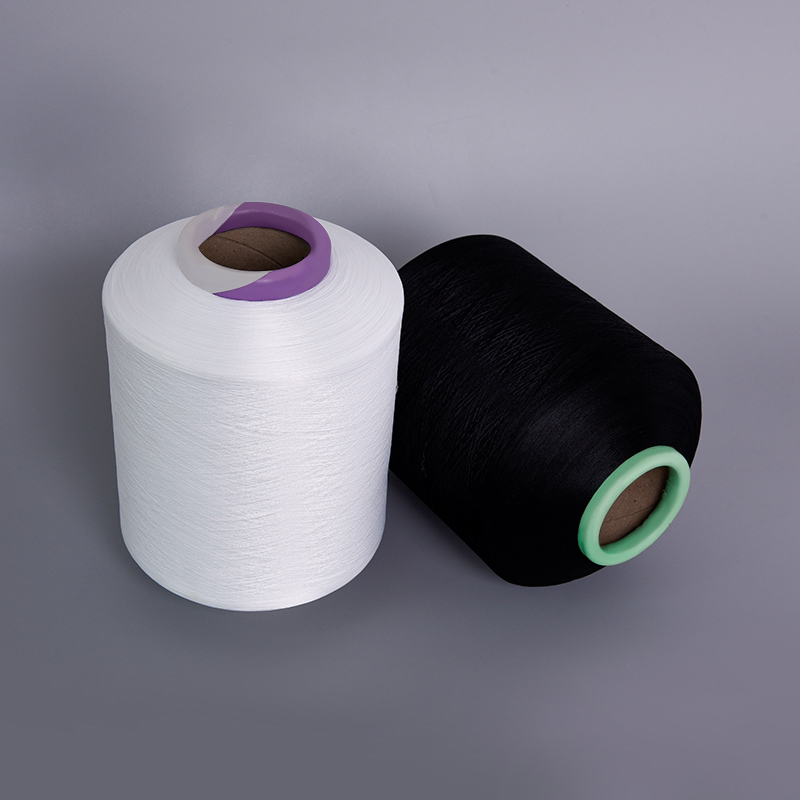
When sourcing elastic yarns for woven or knitted fabrics, buyers are often faced with a key decision: air covered yarn (ACY) or mechanical covered yarn (SCY) . Both use spandex (elastane) as the core, but the covering method differs fundamentally — and that difference affects cost, hand feel, production efficiency, and the final fabric's performance.
As a manufacturer producing both air covered yarn and mechanical covered yarn, we've helped customers worldwide select the right specification for their end use. This guide breaks down the key differences so you can make an informed choice.
What Is Air Covered Yarn?
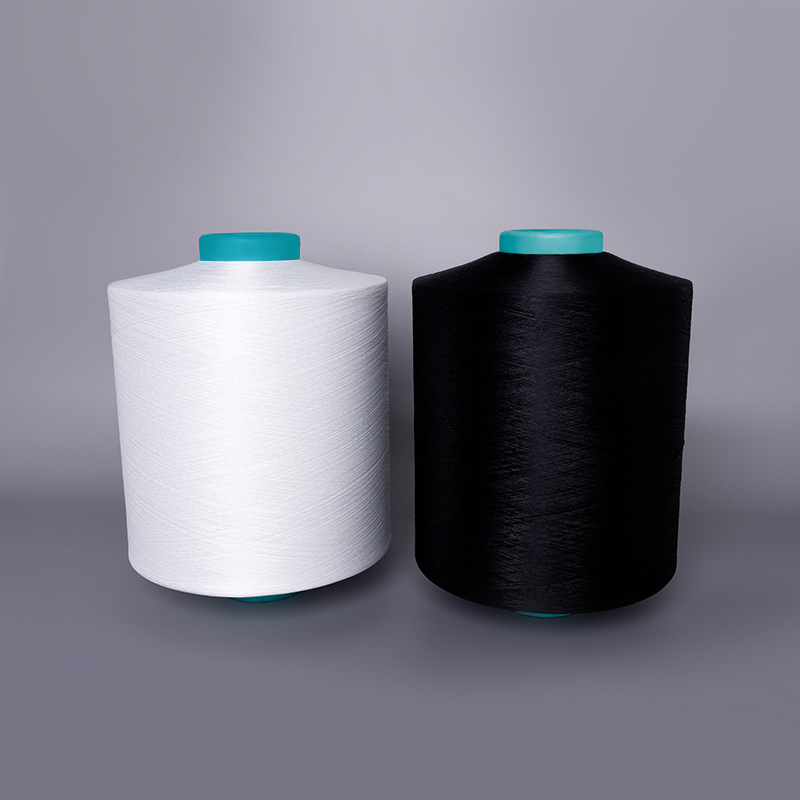
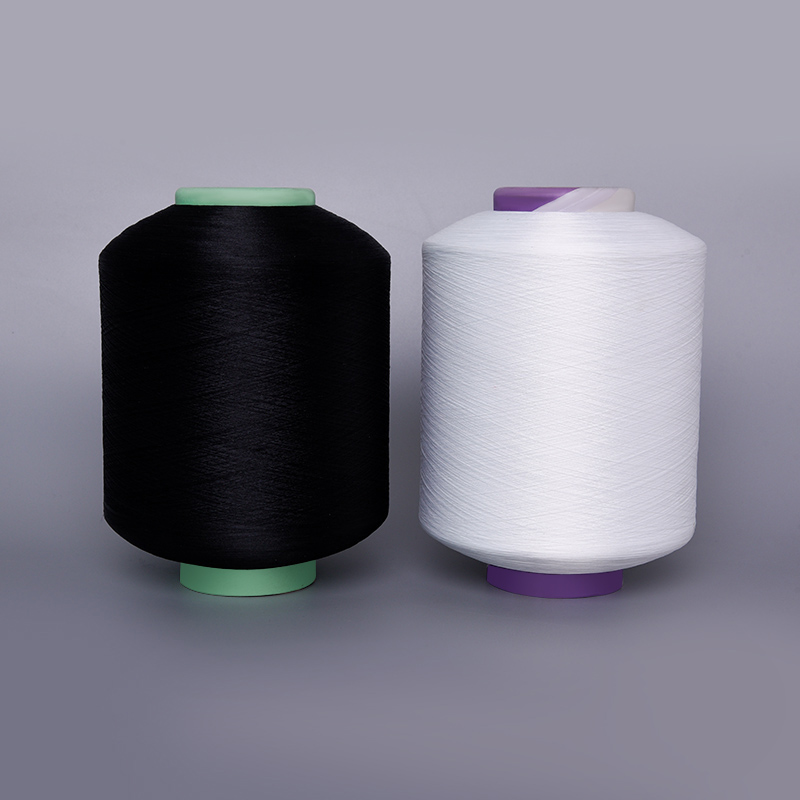
Air covered yarn is produced by passing a spandex core and one or more filament yarns through a compressed air nozzle. The air jet creates interlacing points (network points) that bind the outer filament to the spandex core.
Key characteristics:
• Soft, smooth hand feel
• High production speed and lower cost
• Good elasticity and recovery
• Excellent for seamless garments, hosiery, sportswear, and elastic bands
Because the covering is achieved by air interlacing rather than twisting, the yarn has a more open, voluminous structure with a softer touch.
What Is Mechanical Covered Yarn?
Mechanical covered yarn is made by wrapping the outer filament spirally around the spandex core using a covering spindle. The number of wraps (turns per meter) can be adjusted to control the yarn's properties.
Key characteristics:
• Firmer, flatter, and more compact structure
• Higher tensile strength and better abrasion resistance
• Superior coverage — less spandex show-through
• Ideal for outerwear, narrow fabrics, medical compression stockings, and applications requiring a crisp, structured hand
Due to the lower production speed of the covering process, mechanical covered yarn typically costs more — often RMB 5,000 per ton higher than air covered yarn of comparable specifications.
Side-by-Side Comparison
Factor Air Covered Yarn (ACY) Mechanical Covered Yarn (SCY)
Covering method Compressed air interlacing Spiral wrapping (twisting)
Hand feel Soft, smooth, bulky Firm, flat, compact
Production speed High Low
Relative cost Lower Higher (approx. +RMB 5,000/ton)
Elasticity & recovery Good Excellent
Abrasion resistance Moderate High
Coverage / opacity Moderate Excellent
Typical applications Seamless underwear, socks, sportswear, elastic tape Outerwear, narrow fabrics, compression stockings, upholstery
How to Choose
Choose air covered yarn if you need:
• Cost-effective elastic yarn for high-volume production
• A soft, comfortable hand feel for next-to-skin garments
• Fast delivery and consistent supply for knitting applications
Choose mechanical covered yarn if you need:
• A firm, structured fabric with excellent coverage
• High abrasion resistance for durable end products
• Precise control over twist and yarn geometry for technical textiles
Many mills use both — selecting the covering method based on the specific fabric construction and performance requirements.
About Our Production
We are a manufacturer specializing in air covered yarn, mechanical covered yarn, and rubber elastic yarn. With in-house covering capabilities and flexible MOQs, we supply mills and brands across the textile industry.
Not sure which yarn suits your fabric? Send us your end-use requirements — fabric type, elasticity target, hand feel preference, and cost budget — and our technical team will recommend the optimal specification.
Contact us for samples or a quotation.